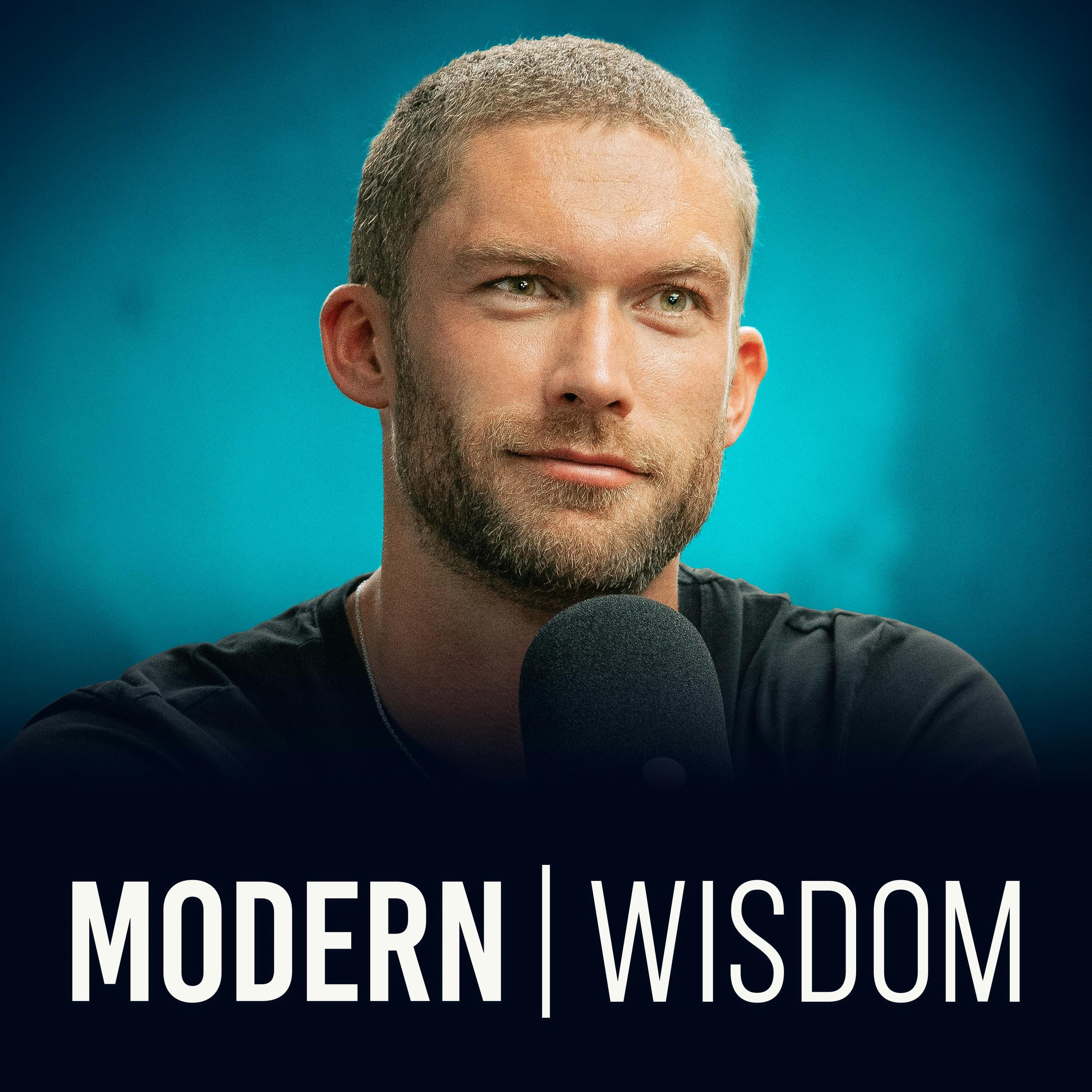
#1009 - Bugzy Malone - Harsh Lessons in Unorthodox Strategy
Timestamps are as accurate as they can be but may be slightly off. We encourage you to listen to the full context.
Podcast Summary
In this deeply personal episode, Manchester rapper Bugzy Malone opens up about his extraordinary journey from chaos to success, sharing insights about overcoming adversity, maintaining authenticity under pressure, and finding purpose beyond financial achievement. The conversation explores his early struggles with depression (04:18), the therapeutic nature of his music-making process (09:39), and how a life-changing bike accident became a turning point that forced him to confront his relationship with himself. Bugzy discusses the unique challenges of being a role model (00:24), the difference between motivation and discipline during difficult times, and his philosophy that life is essentially a series of battles that require strategic preparation. • Main themes include the evolution from chaos-driven success to balanced excellence, the responsibility that comes with influence, and the ongoing work of personal transformation even after achieving external goals.
Speakers
Bugzy Malone
Bugzy Malone is a pioneering British rapper from Manchester, widely recognized as "the King of the North" for being the first artist from Northern England to break into the mainstream rap industry. Having overcome significant early challenges including time in jail as a teenager and periods of homelessness, he built an independent career that has earned him millions of views and sold-out arena tours. Beyond music, he's expanded into acting with roles in Guy Ritchie films "The Gentlemen" and its sequel, while also developing business ventures in fragrances and other lifestyle products.
Chris Williamson
Chris Williamson is the host of Modern Wisdom, one of the world's most popular podcasts focused on psychology, philosophy, and human optimization. Known for his thoughtful interviewing style and ability to extract profound insights from diverse guests, he has built a reputation for creating conversations that resonate with high-achieving professionals seeking wisdom and practical strategies for improvement.
Key Takeaways
Embrace Pressure as a Privilege for Growth
Bugzy explains how the responsibility of being a role model, while initially feeling burdensome, actually serves as a powerful motivating force. When he received a message about an eight-year-old autistic child calling him a "superhero," he realized that people were drawing strength from his example (00:45). Rather than seeing this as overwhelming pressure, he reframes it as a privilege that keeps him sharp and committed to continuous improvement. This pressure prevents complacency and drives him to maintain high standards even when he doesn't feel like it, embodying the principle that external accountability can be a powerful catalyst for personal discipline and growth.
Model the Rise, Not Just the Result
One of the most profound insights shared is the distinction between modeling someone's current practices versus the strategies that got them there initially (07:10). Bugzy reflects on how his first ten years were characterized by chaos and relentless work, while his current approach emphasizes balance. The key lesson is that beginners shouldn't try to replicate the advanced techniques of veterans - they need to focus on the fundamentals that create the foundation for success. This means embracing the chaos, working without perfect work-life balance, and building through basic disciplines before attempting more sophisticated approaches.
Transform Pain into Purpose Through Authentic Expression
Bugzy's breakthrough came when he stopped trying to create "palatable" content and instead channeled his raw truth into his art (122:15). After witnessing his mother being arrested and feeling helpless, he made a conscious decision to "throw caution to the wind" and speak his authentic experience rather than trying to sound like someone he wasn't. This shift from manufactured content to genuine expression not only launched his career but also served as a therapeutic process that helped him work through trauma and depression. The lesson is that authenticity, while vulnerable, resonates more powerfully than any manufactured persona.
Design Your Future with Pinpoint Accuracy
Bugzy emphasizes the importance of having detailed, specific visions for your future rather than vague hopes (145:07). He describes this as filling in a "description box" for each area of your life - if you leave boxes unfilled, you're leaving those outcomes to random chance. This isn't just about goal-setting; it's about creating such a clear vision that when opportunities arise, you're prepared to recognize and seize them immediately. His success came from spending years visualizing exactly where he wanted to be, down to specific details about his lifestyle, career, and personal development.
Build Resilience Through Strategic Preparation
Throughout the conversation, Bugzy reveals his philosophy that "life is a set of battles" and success comes from being prepared for whatever challenges arise (48:48). His commitment to boxing isn't just about physical fitness - it's about maintaining the mental, physical, and spiritual readiness needed to handle any situation that comes his way. This preparation mindset extends beyond the gym to studying history, understanding patterns of success and failure, and developing multiple skills that create antifragility. The key insight is that resilience isn't just about bouncing back from adversity, but about proactively building the capacity to handle increasingly complex challenges.
Statistics & Facts
- Bugzy Malone's most famous "Fire in the Booth" freestyle has garnered 35 million views, making it one of the most-watched British rap performances online and helping establish him as a breakthrough artist from outside London's music scene.
- He was incarcerated as a persistent young offender when he was 16 years old, spending time in solitary confinement during a crucial developmental period that shaped his later perspective on discipline and personal transformation.
- His Manchester arena show was the first sold-out rap concert by a Northern English artist at that venue, breaking new ground for regional representation in British hip-hop and proving the commercial viability of artists from outside London.