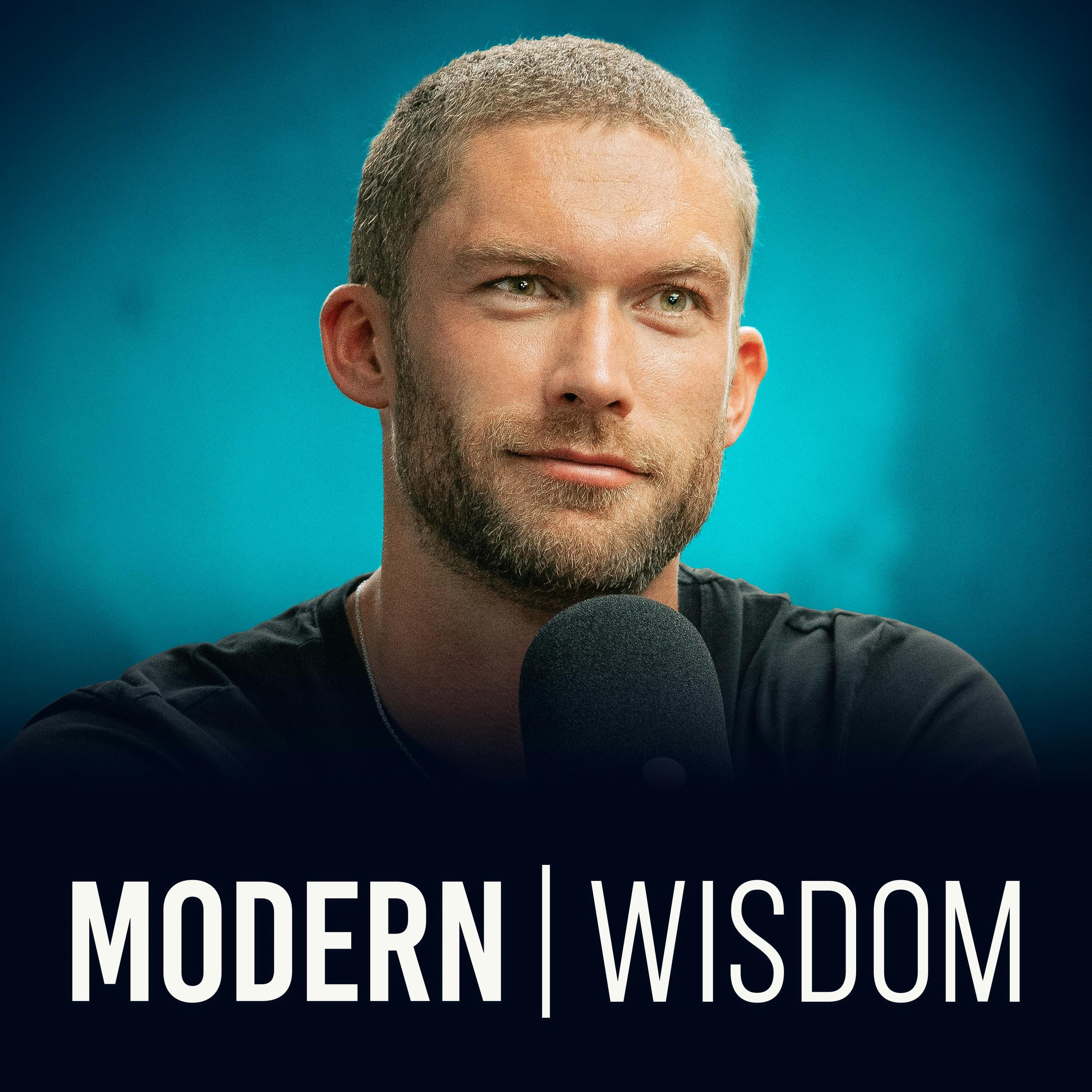
#1000 - Matthew McConaughey - The Art of Living a Courageous Life
Timestamps are as accurate as they can be but may be slightly off. We encourage you to listen to the full context.
Podcast Summary
In this milestone 1,000th episode of Modern Wisdom, Matthew McConaughey joins host Chris Williamson for a deep philosophical conversation that explores the intersection of faith, masculinity, and personal growth. (00:00) The discussion spans from McConaughey's new book about belief to profound insights on forgiveness, courage, and the meaning of masculinity in modern society. The conversation takes place on the set of Interstellar, creating a poetic backdrop for discussions about life's patterns and the importance of believing in something greater than ourselves. (15:00) The episode serves as both a celebration of the podcast's journey and a thoughtful exploration of how we can navigate life's complexities with wisdom, humor, and authentic purpose.
Speakers
Matthew McConaughey
Academy Award-winning actor known for iconic roles in films like Dallas Buyers Club, True Detective, and Interstellar. Beyond his acting career, McConaughey is a bestselling author of "Greenlights" and now "Just Because," exploring themes of personal philosophy and spiritual growth. He's also a professor at the University of Texas and a passionate advocate for living authentically.
Chris Williamson
Host of Modern Wisdom podcast, which has reached over 1 billion views across seven and a half years. Williamson is known for conducting thoughtful long-form conversations with world-class performers, exploring topics ranging from psychology to philosophy to peak performance.
Key Takeaways
Courage Comes in Two Forms
McConaughey distinguishes between the courage of persistence and the courage of pause. (54:16) While many people understand the courage to keep going and dust yourself off after failure, there's an equally important but less understood courage - the courage to stop and examine why you keep making the same mistakes. This requires stepping back from the race to understand your patterns rather than just powering through them. True growth happens when you have the courage to look at why you keep stepping in the same pothole instead of just getting up and continuing to run.
Being a Good Man vs. Being a Nice Guy
There's a crucial difference between being nice and being good. (70:34) A nice guy gets along with everyone, says yes to everything, and lacks discernment about what they stand for or against. A good man has ideals and principles they'll defend, and when tested, they're not always nice. McConaughey emphasizes that good men are willing to stand up for their beliefs and draw boundaries, even if it makes them less popular. This distinction becomes especially important in romantic relationships and professional settings where integrity matters more than likability.
Forgiveness Requires Work, Not Just Words
True forgiveness involves more than just saying "I forgive you." (08:08) McConaughey explains that once someone asks for forgiveness and receives it, the real work begins for the offender. They have a responsibility to do everything possible to avoid repeating the same offense. If you become a repeat offender, you're essentially taking advantage of someone's grace. The person who forgives has given you a gift - now you must honor that gift by changing your behavior, not just your words.
Model the Rise, Not the Result
When seeking to achieve success, focus on what successful people did to get there, not what they do now that they've made it. (26:46) McConaughey embraces this concept, explaining that most people with platforms now preach balance, but they got there through imbalance, hustle, and outlaw behavior. Warren Buffett today spends time reading newspapers leisurely, but young Warren Buffett was a relentless hustler. The key is understanding that the behaviors that create success are often different from the behaviors that maintain it.
Time is On Your Side When You Dance With It
Instead of racing against time or feeling behind, learn to work with time's natural rhythm. (107:17) McConaughey advocates for being quick but not hurried, referencing John Wooden's basketball coaching wisdom. When you feel like you're dancing with time rather than fighting it, you accomplish more with better quality. This means taking time to read the instructions, build proper foundations, and avoid the mistakes that come from rushing. The goal isn't to work faster, but to work in harmony with time's pace.
Statistics & Facts
- This marks the 1,000th episode of Modern Wisdom podcast, spanning seven and a half years of content creation. (00:00)
- The show recently crossed one billion total views across all platforms, representing massive audience engagement over its run.
- McConaughey spent approximately 20 months away from Hollywood rom-com roles, including turning down a $14.5 million offer to wait for dramatic opportunities. (59:07)



