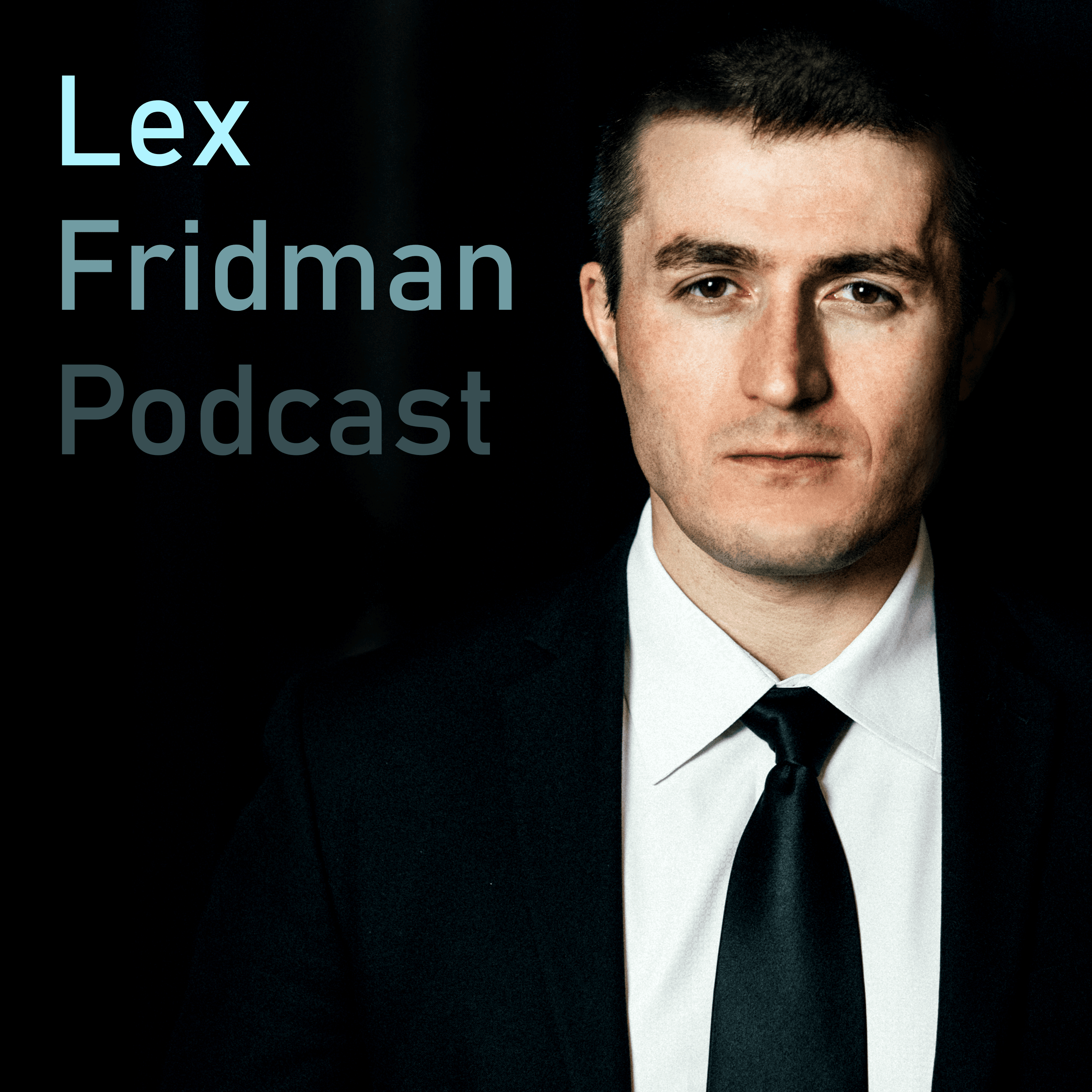
#482 – Pavel Durov: Telegram, Freedom, Censorship, Money, Power & Human Nature
Timestamps are as accurate as they can be but may be slightly off. We encourage you to listen to the full context.
Podcast Summary
This episode features Pavel Durov, founder and CEO of Telegram, discussing his lifelong fight for freedom of speech and privacy protection. (13:00) The conversation covers his principled approach to life, from abstaining from alcohol and maintaining rigorous physical discipline to building technology that protects human communication from surveillance and censorship. (65:00) Durov shares his experience of being arrested in France, the pressures from intelligence agencies to censor political voices, and his unwavering commitment to protecting user privacy regardless of government demands.
• Main themes: Freedom of speech as a fundamental human right, the intersection of technology and individual liberty, and the personal sacrifices required to maintain principled leadership in the face of powerful opposition.Speakers
Pavel Durov
Pavel Durov is the founder and CEO of Telegram, a messaging platform used by over 1 billion people worldwide. Born in Russia, he previously founded VKontakte (VK), Russia's largest social network, which he built single-handedly in 2006. (118:00) He has spent his life advocating for freedom of speech and digital privacy, facing pressure from governments globally for his principled stance. Known for his disciplined lifestyle, Durov has maintained complete abstinence from alcohol, tobacco, and processed foods for over 20 years while running one of the world's most successful technology companies.
Key Takeaways
Master a Niche Through Differentiation
Durov emphasizes that to achieve success, you must do something valuable that others aren't doing. (21:00) He explains that if you're doing the same thing as everyone else, you have no competitive advantage. The key is to curate your information sources proactively rather than being led by algorithmic feeds, allowing you to explore areas that others neglect. This approach enabled him to become a world expert in messaging technology by focusing on innovations others overlooked. Success comes from consistent effort in unexplored fields rather than following the crowd.
Overcome Fear Through Rational Contemplation of Mortality
One of Durov's most powerful insights is how he approaches fear and death. (13:00) He explains that the biggest enemies of freedom are fear and greed, and suggests imagining the worst possible outcome and making yourself comfortable with it. By rationally understanding that death is inevitable and that "there's no such thing as your death in your life," he removes the paralyzing fear that prevents bold action. This philosophical approach allows him to stand his ground against powerful governments and organizations without being manipulated by threats.
Action Creates Motivation, Not the Reverse
Durov provides crucial advice for overcoming depression and stagnation: start doing something, even when you don't feel motivated. (30:00) He emphasizes that motivation comes from action, not the other way around. Whether it's coding, going to the gym, or writing, you must overcome initial reluctance and begin the work. The feeling of accomplishment and energy follows the action. This principle applies to everything from daily exercise to major life decisions - you gain energy by doing something productive rather than waiting to feel energized.
Hire Only A-Players and Remove Mediocrity Ruthlessly
Durov reveals a counterintuitive truth about team building: sometimes firing one mediocre engineer actually increases overall productivity. (140:00) He explains that B-players don't just fail to contribute - they actively demotivate A-players and create more problems than they solve. Telegram runs with only 40 core engineering team members but outperforms much larger teams because every person is exceptional. The key is using competitions and rigorous selection processes to identify true talent rather than relying on traditional hiring methods.
Obsess Over Details That Create Subconscious User Delight
Durov's approach to product development involves obsessing over subtle details that users may not consciously notice but subconsciously feel. (155:00) From the way messages morph when sent to the gradient backgrounds that shift dynamically, every element is designed to create joy and efficiency. He believes that when you put love and care into details - even invisible ones - users feel this through osmosis. This philosophy, inspired by Steve Jobs, recognizes that small details compound to create experiences that feel magical and inspire user loyalty.
Statistics & Facts
- Telegram has over 1 billion active users worldwide and runs with only 40 core engineering team members, making it one of the most efficiently operated technology companies at scale. (50:00)
- Telegram became profitable for the first time in 2024, generating over half a billion dollars annually from premium subscriptions alone, with over 15 million paid subscribers. (225:00)
- Durov has been abstaining from alcohol, tobacco, coffee, pills, and illegal drugs for over 20 years, crediting this discipline for his success and mental clarity. (15:00)



