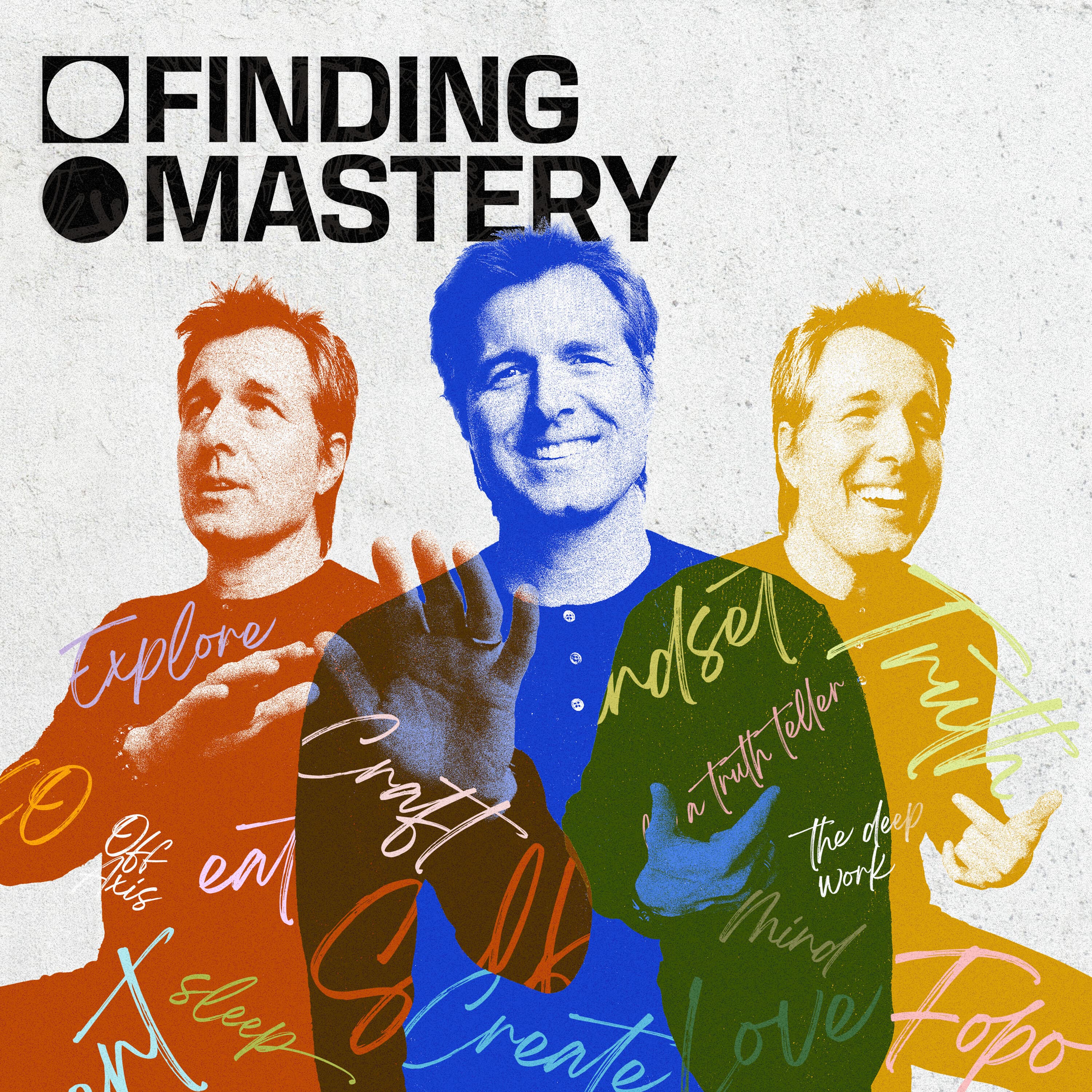
95% of Creative People Struggle With THIS | Wieden+Kennedy's Neal Arthur
Timestamps are as accurate as they can be but may be slightly off. We encourage you to listen to the full context.
Podcast Summary
This Finding Mastery episode features Neal Arthur, Global CEO of Wieden+Kennedy, the legendary creative agency behind Nike's "Just Do It" and campaigns for McDonald's, Coca-Cola, and other iconic brands. Neal shares how growing up feeling "othered" as a Black person in a predominantly white, Mormon community shaped his leadership philosophy centered on creating belonging for creative misfits. (01:17) The conversation explores how Wieden+Kennedy has maintained its creative culture for over 40 years by focusing on who people are rather than what they do, and how leaders can unlock creativity by removing pressure rather than adding it. Neal discusses navigating AI's impact on creativity, emphasizing the importance of playing with new technology rather than waiting for clarity, and shares practical frameworks for leading creative teams through uncertainty.
- Core themes include creating psychological safety for creativity, building belonging among "misfits," managing creative deadlines without pressure, and embracing uncertainty in an AI-driven world
Speakers
Neal Arthur
Neal Arthur serves as Global CEO of Wieden+Kennedy, one of the world's most respected creative agencies known for culture-shaping campaigns like Nike's "Just Do It." He leads the agency's mission to create a space where creative "misfits" can belong and contribute to work that feels bigger than themselves. Neal's leadership philosophy is deeply influenced by his childhood experience of feeling "othered" due to race and religion, which drives his commitment to making others feel comfortable and included in their environment.
Dr. Michael Gervais
Dr. Michael Gervais is a high performance psychologist and host of Finding Mastery, where he explores the minds of world-class performers. He works extensively with NFL teams, world-class athletes, and enterprise companies to unlock human potential through psychological skills and practices. His approach focuses on helping people shift from "doing more to be more" to "being more and letting doing flow from that place."
Key Takeaways
Create Belonging for Creative "Misfits"
Neal emphasizes that creatives are "inherently misfits" who don't naturally feel like they belong, which actually gives them their ability to tell stories from an outside perspective. (22:52) Wieden+Kennedy's culture succeeds because it creates a space where these misfits can finally feel like they belong to something bigger than themselves. The key insight is helping new employees understand that "who you are is what we're trying to see" rather than pressuring them to prove they deserve to be there. When this shift happens, you can literally see people's shoulders roll back as they gain real confidence and security.
Remove Pressure to Unlock Creativity
Neal strongly believes that pressure kills creativity in work environments. (29:06) His approach involves never putting creative pressure on just one person, always being "in it" with the team rather than mandating from above, and creating shared ownership of deadlines. The goal is transforming what feels like a pressure-oriented, scarcity-based process into something energizing with momentum. As he puts it, "the best part of our day is just sitting here talking about ideas" - turning creative work back into the fun, collaborative process it should be.
Focus on "Being" Rather Than "Doing"
A fundamental principle Neal learned from his father was asking "What do you want to be?" rather than "What do you want to do?" (08:02) This distinction shapes how he approaches leadership and creativity. While doing is measurable and goal-oriented, being is more substantive and flexible. Neal's consistent answer since childhood has been wanting to help people feel comfortable in their environment - a through-line that has guided his entire career path despite having "nine lives of different jobs."
Embrace Uncertainty and Play with AI
Rather than waiting for clarity about AI's impact, Neal advocates for immediate experimentation and play. (57:52) He warns against the paralysis of "wait and see" approaches, emphasizing the need to "demystify the idea that AI is this big capital letters thing." His strategy is to make AI feel small and playful - something teams can mess with, tweak, and have fun with rather than treat as a meteor about to hit. This approach allows organizations to build practical applications while others remain frozen by uncertainty.
Lead with Emotional Authenticity
Neal is actively working on bringing emotions to the surface in leadership rather than maintaining the traditional "level-headed, unflappable" executive persona. (63:29) He believes in creating spaces where big emotions can flow, referencing founder Dan Wieden's philosophy that he "loves the place most when it feels like it's off the rails." This approach gives permission for others to access the most intense part of the human experience - emotions - which is essential for unlocking creativity and authentic human connection in the workplace.
Statistics & Facts
- Wieden+Kennedy has maintained its creative culture for over 40 years, with Neal noting that what makes it distinctive isn't just making good ads, but creating a culture where people can belong to something bigger than themselves. (21:24)
- Neal estimates that approximately 95% of Wieden+Kennedy employees have ADD, which he sees as part of the creative culture rather than a limitation. (35:14)
- The agency has built a structure where creatives present all their own work directly to clients rather than handing it off to management, ensuring personal investment in outcomes. (38:18)



