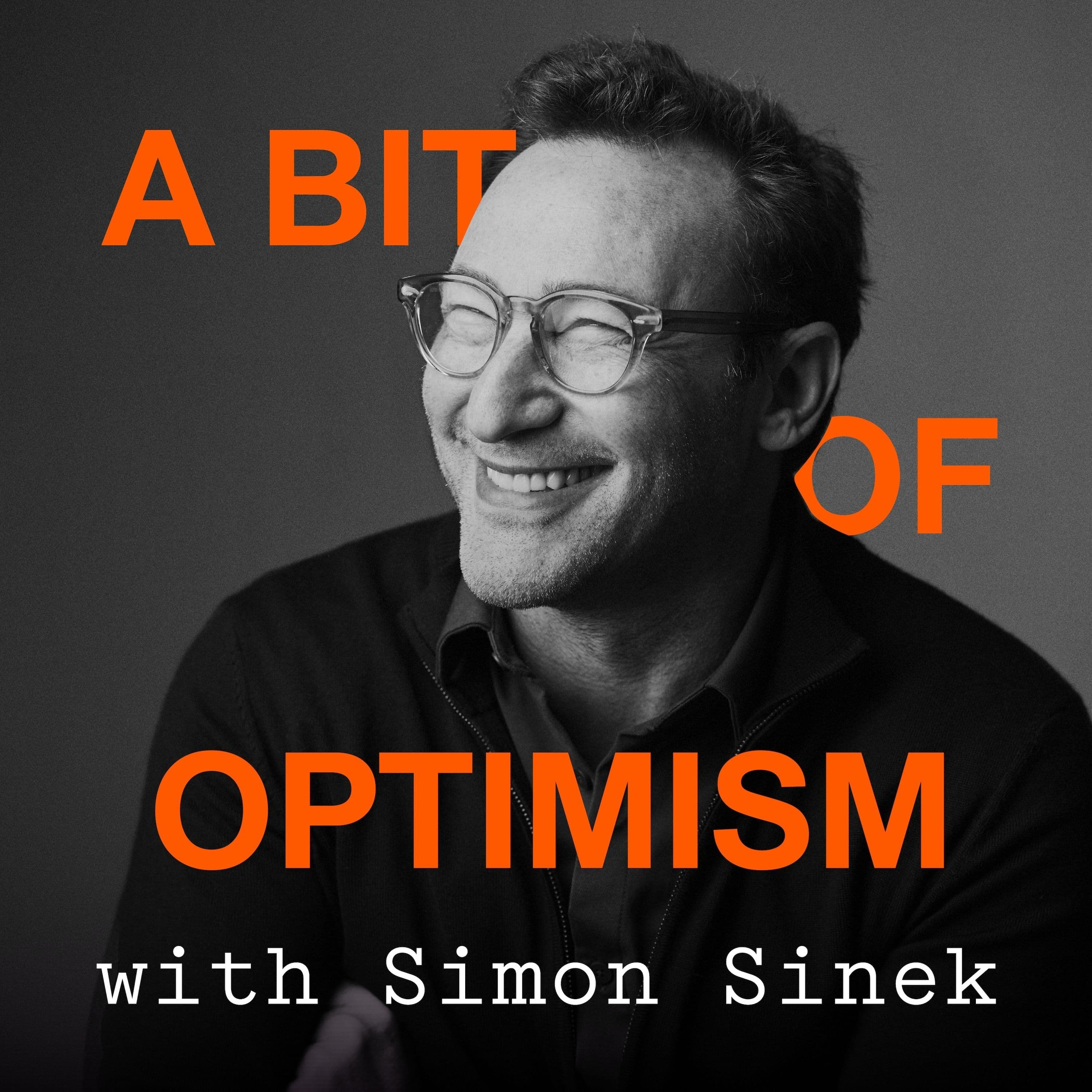
Matthew McConaughey on How to Fall Back in Love with Your Life
Timestamps are as accurate as they can be but may be slightly off. We encourage you to listen to the full context.
Podcast Summary
In this thought-provoking episode, Matthew McConaughey joins Simon Sinek to explore the inner practices that have shaped his legendary career and personal philosophy. McConaughey shares how he successfully pivoted from romantic comedies to dramatic roles by having the courage to say no to lucrative but unfulfilling offers, waiting two years for the right opportunity. (11:15) At the heart of their conversation is self-curiosity - McConaughey reveals how decades of journaling, starting at age 17, became his compass for understanding patterns in his life and making sense of moments of uncertainty. (27:45) Rather than avoiding discomfort, he learned to treat it as valuable information to study and learn from. The discussion delves into what it takes to stay relevant without losing yourself, why reinvention often requires carrying personal risk before anyone else believes in the outcome, and how self-curiosity can become your greatest tool for navigating change and staying true to yourself.
- Main Theme: The power of self-curiosity and embracing discomfort as essential tools for personal reinvention and authentic living.
Speakers
Matthew McConaughey
Academy Award-winning actor, author, and philosopher known for his transformative career pivot from romantic comedies to dramatic roles. McConaughey has starred in acclaimed films like "Dallas Buyers Club," "True Detective," and "Interstellar." He is the author of "Green Lights" and his newest book "Poems & Prayers," both drawing from over 30 years of personal journaling that began when he was just 17 years old.
Simon Sinek
Bestselling author of "Start With Why" and thought leader on leadership and personal development. Sinek is known for his ability to explore the deeper motivations behind human behavior and organizational success. He hosts the podcast "A Bit of Optimism" and regularly speaks to organizations about purpose-driven leadership and infinite thinking.
Key Takeaways
Master the Art of Strategic Career Pivots
McConaughey's transition from romantic comedies to dramatic roles wasn't luck—it was a calculated risk that required bearing personal costs. (15:45) When big studios wouldn't take risks on him in new roles, he accepted significantly lower pay from independent filmmakers who were willing to let him prove himself. The lesson: when you want to reinvent professionally, you often need to subsidize others' risk-taking by accepting lower compensation or reduced status temporarily. This "staging the house" approach allows decision-makers to see you in new ways without having to use their imagination, which most people lack.
Develop Self-Curiosity Through Consistent Journaling
McConaughey began journaling at 17 and credits this practice with providing him the self-awareness needed for major life decisions. (27:45) His year in Australia forced him to become "his only friend he could talk to," writing 14-page letters to himself. The practice evolved from surviving isolation to becoming a tool for pattern recognition and personal growth. Unlike reactive self-reflection during crisis, regular journaling builds ongoing self-awareness that prepares you for future pivots and decisions.
Reframe Discomfort as Information, Not Something to Avoid
McConaughey discovered that his life had been "more about getting comfortable with what I was uncomfortable with yesterday than changing what I was uncomfortable with yesterday." (38:35) However, he warns that resilience can become a trap if you become a "repeat offender" who keeps stepping in the same problems without examining why. The key is treating discomfort as data to be studied rather than simply endured, using it to identify patterns and make better choices going forward.
Practice "Oversight" - Approaching Everything with Reverence
McConaughey's concept of "oversight" involves approaching relationships, projects, and people with extraordinary reverence and high expectations. (40:47) By giving people the benefit of the doubt and expecting greatness, you're more likely to find evidence of their excellence rather than their flaws. This approach not only elevates others' performance—they want to make you proud rather than prove you wrong—but also leads to better outcomes because you're reaching for an "A" and getting a "C" instead of reaching for a "C" and getting an "F."
Understand True Humility as Continuous Learning
McConaughey struggled with humility for 45 years until he learned to define it as "admitting we have more to learn" rather than diminishing himself. (21:31) This redefinition allowed him to maintain confidence while staying open to growth. True humility keeps your shoulders back and chin up while acknowledging there's always more to discover. It's about being extremely honest about your capabilities and limitations, not about making yourself smaller or less confident.
Statistics & Facts
- McConaughey took a two-year break from romantic comedies before getting offered dramatic roles, demonstrating the time investment required for career reinvention. (14:22)
- Independent films paid approximately one-fourth of McConaughey's romantic comedy quote when he was transitioning to dramatic roles. (15:14)
- McConaughey has been journaling consistently for over 30 years, starting at age 17, providing decades of self-reflection data. (27:45)



